The Rise of Smart Infrastructure and Access Control Dubai
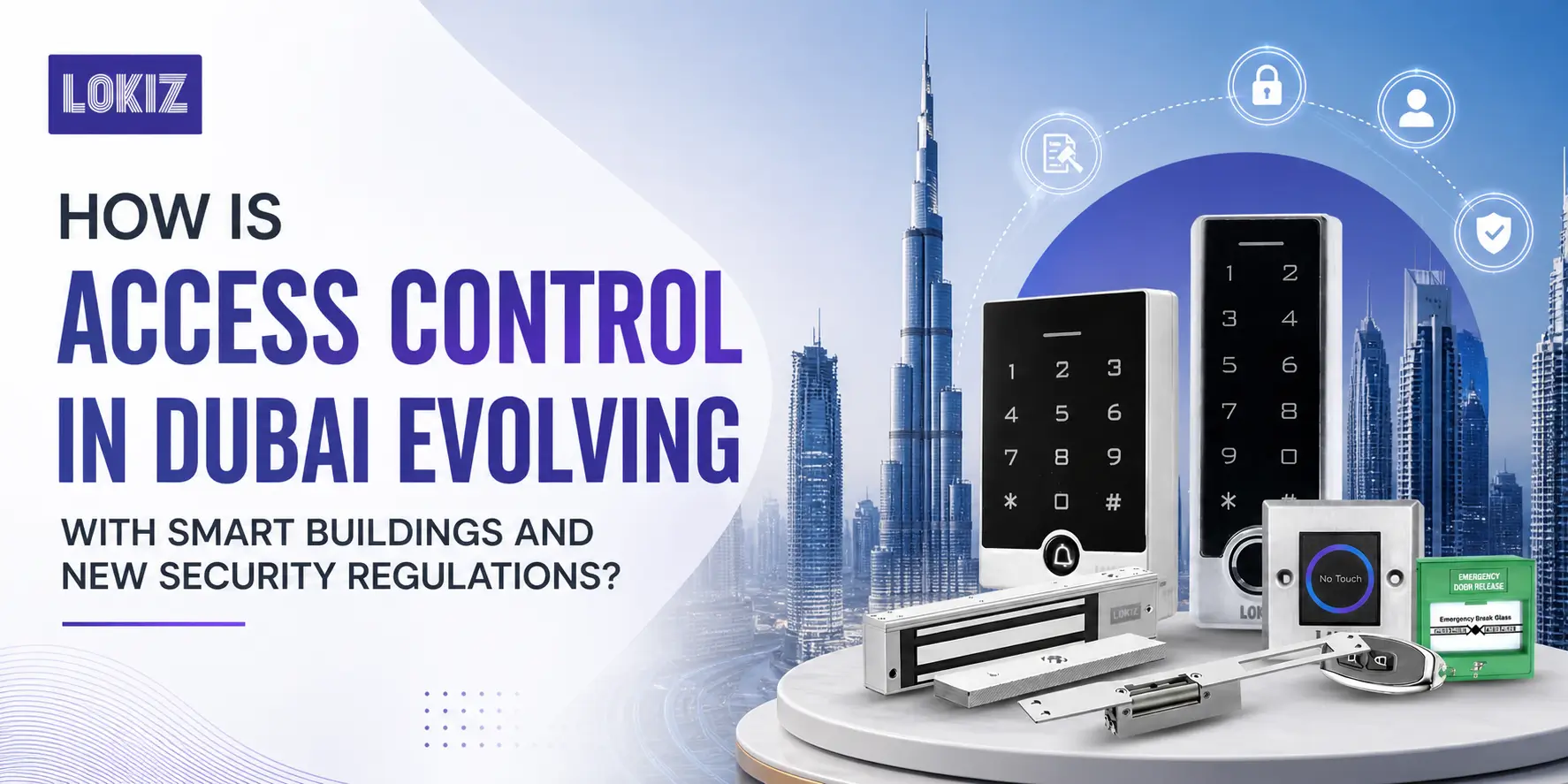
Dubai’s skyline used to be defined only by its architectural ambition. Now, smart infrastructure is having a bigger and bigger impact on it. As smart buildings become more common, access control Dubai solutions are changing quickly to keep up with the city’s progressive growth model. Integrated digital platforms that combine biometrics, RFID credentials, mobile authentication, and cloud-based management are slowly taking the place of traditional lock-and-key systems.
Smart buildings depend on systems that are linked together and can talk to each other in real time. Elevators, lighting, security cameras, heating and cooling systems, and entry systems all work together in building management systems. Because of this change, access control Dubai technologies need to work well with other digital systems. Facility managers want centralized dashboards, the ability to monitor things from afar, and updates to permissions right away. In a city that values efficiency and new ideas, access control is no longer just a feature; it’s a key part of smart infrastructure.
Impact of New Security Regulations on Access Systems
As cities get denser and mixed-use developments grow, the rules that govern them have become more clear. Authorities are putting more emphasis on following the rules for life safety, data security, and being ready for emergencies. This has had a direct effect on how access control systems are made and put in place in Dubai.
New rules say that evacuation plans should be clearer, fire alarm systems should work with them, and door mechanisms should be fail-safe and open during emergencies. Data privacy standards are also affecting how biometric data and user credentials are stored. Owners of buildings must make sure that there is encryption, secure access logs, and limited administrative rights.
The need for audit trails is another big factor that affects regulations. Commercial towers, hotels, hospitals, and factories must keep detailed records of who comes and goes. This requirement has led to the use of cloud-based reporting tools in access control Dubai platforms. Compliance is no longer a choice; it is a key part of how systems are built. Companies that don’t follow new safety and security rules could have problems with their operations and hurt their reputation.
Technology Trends Reshaping Access Control Dubai
Innovation keeps changing what it means to have secure access. Mobile-based credentials are making it less necessary to use physical cards. Now, people can use encrypted smartphone apps to unlock doors. Facial recognition and other advanced biometrics are becoming more popular in places with a lot of security. Also, artificial intelligence is being used to find strange patterns of entry and warn people about possible threats in real time.
Another trend that is changing the game is cloud-managed platforms. Companies are choosing scalable cloud systems that let them manage multiple locations instead of servers that are located on-site. This is especially important in Dubai, where many businesses own more than one property. Access control Dubai solutions now let you update your system, revoke credentials, and run diagnostics without having to be there in person.
Design choices are also being affected by sustainability. Low-power readers and energy-efficient electromagnetic locks meet the standards for green buildings. Dubai’s efforts to be more environmentally friendly must include access technologies that use less energy without affecting performance. Smart automation, predictive analytics, and smooth digital integration are the keys to the future of access control.
The Role of Lokiz in Supporting Modern Security Needs
As the security landscape changes, it becomes more and more important to work with experienced solution providers. Companies need systems that can keep up with changes in technology while also meeting the rules. Lokiz knows that access control Dubai needs to change all the time, so they make solutions that are easy to integrate, follow the rules, and last a long time.
Lokiz helps projects in the commercial, residential, and industrial sectors by providing scalable systems that work with biometric readers, RFID technologies, and cloud-based platforms. The company makes sure that every installation meets modern building standards by focusing on durability, seamless integration, and professional guidance. In a city where innovation and strict rules are important, picking the right partner makes sure that access control infrastructure stays safe, ready for the future, and fully compliant.