Biometric vs RFID access control — a practical comparison for Dubai businesses. Covers security, cost, hygiene, speed, and which system suits your office or facility.
Biometric vs RFID Access Control — What's the Difference?
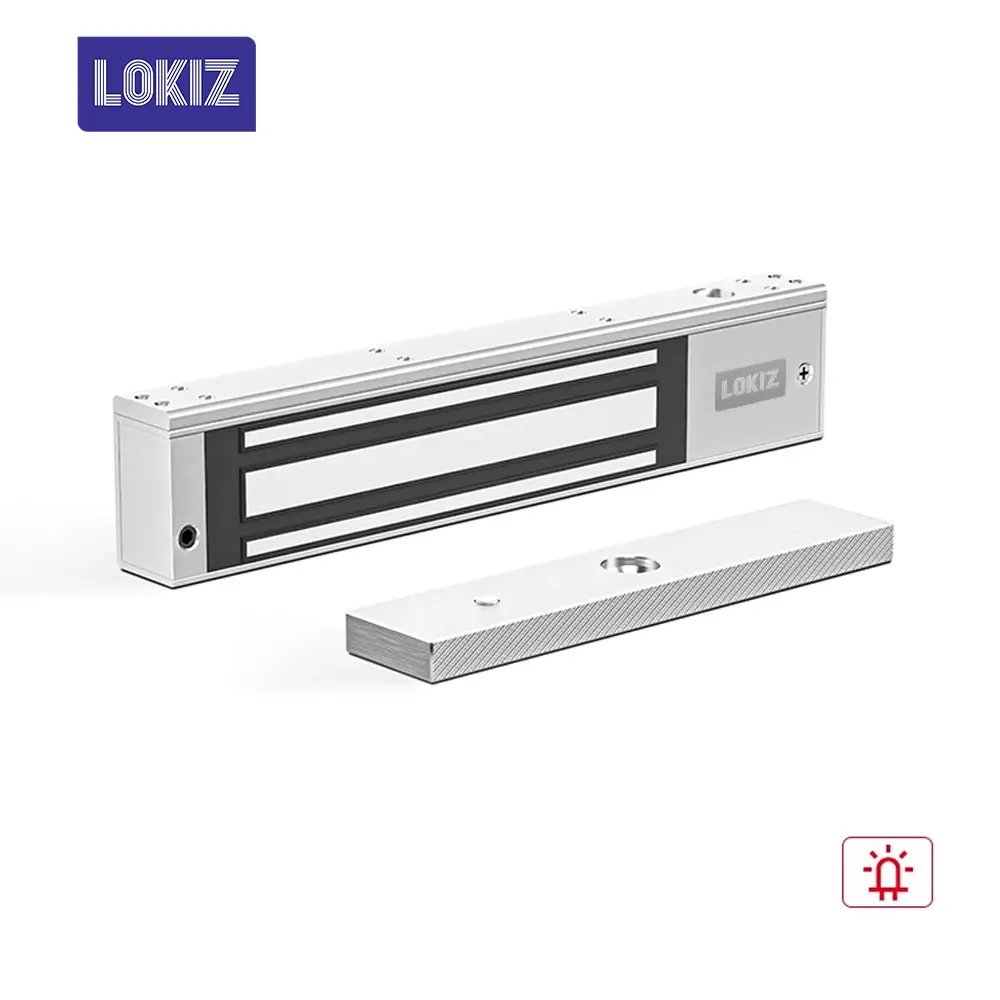
When upgrading or installing an access control system in Dubai, the most common choice is between biometric authentication (fingerprint, face, palm) and RFID-based credential systems (cards, fobs, mobile). Both integrate with the same door hardware — magnetic locks, electric strikes, and entrance turnstiles — but differ significantly in how identity is verified and managed.
How RFID Access Control Works
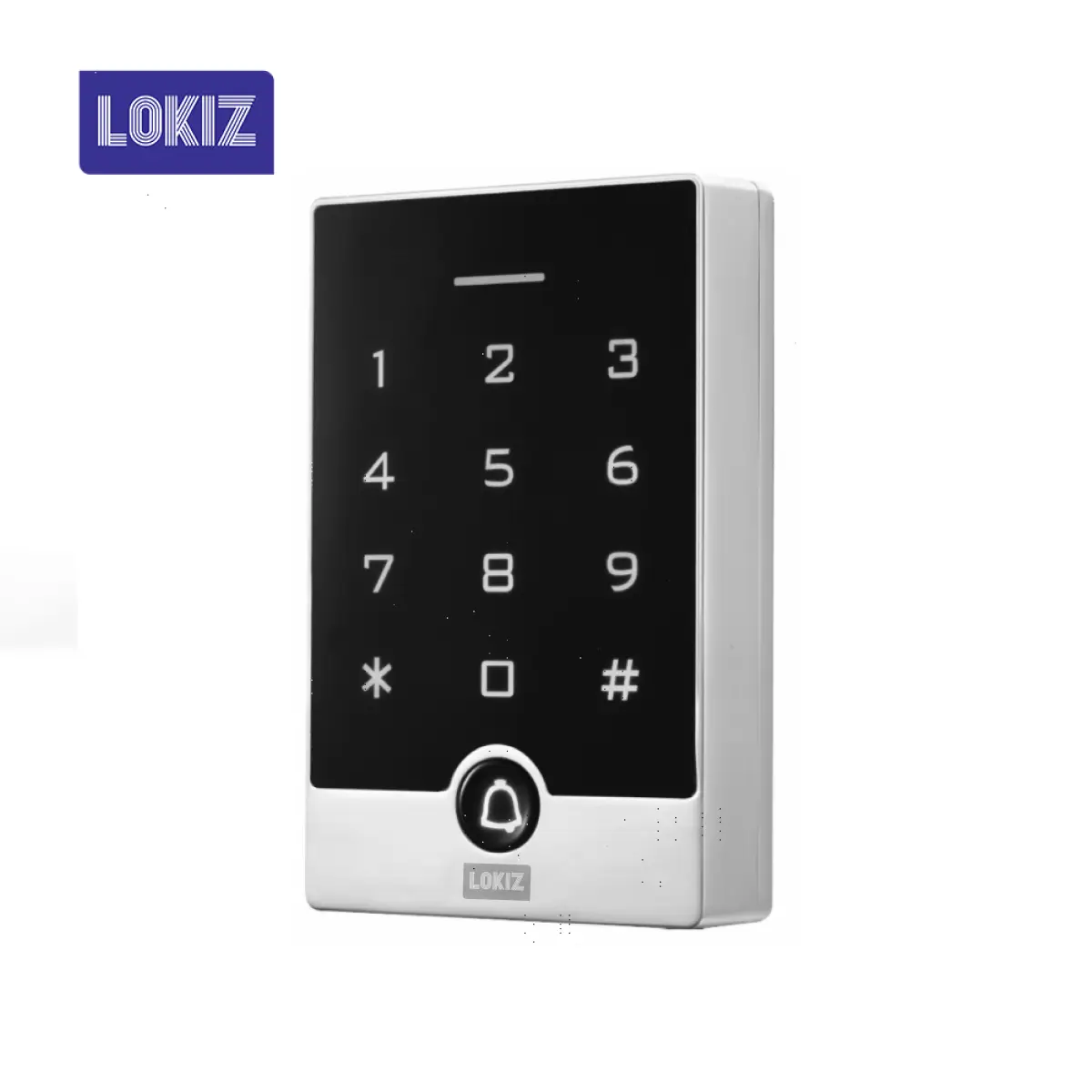
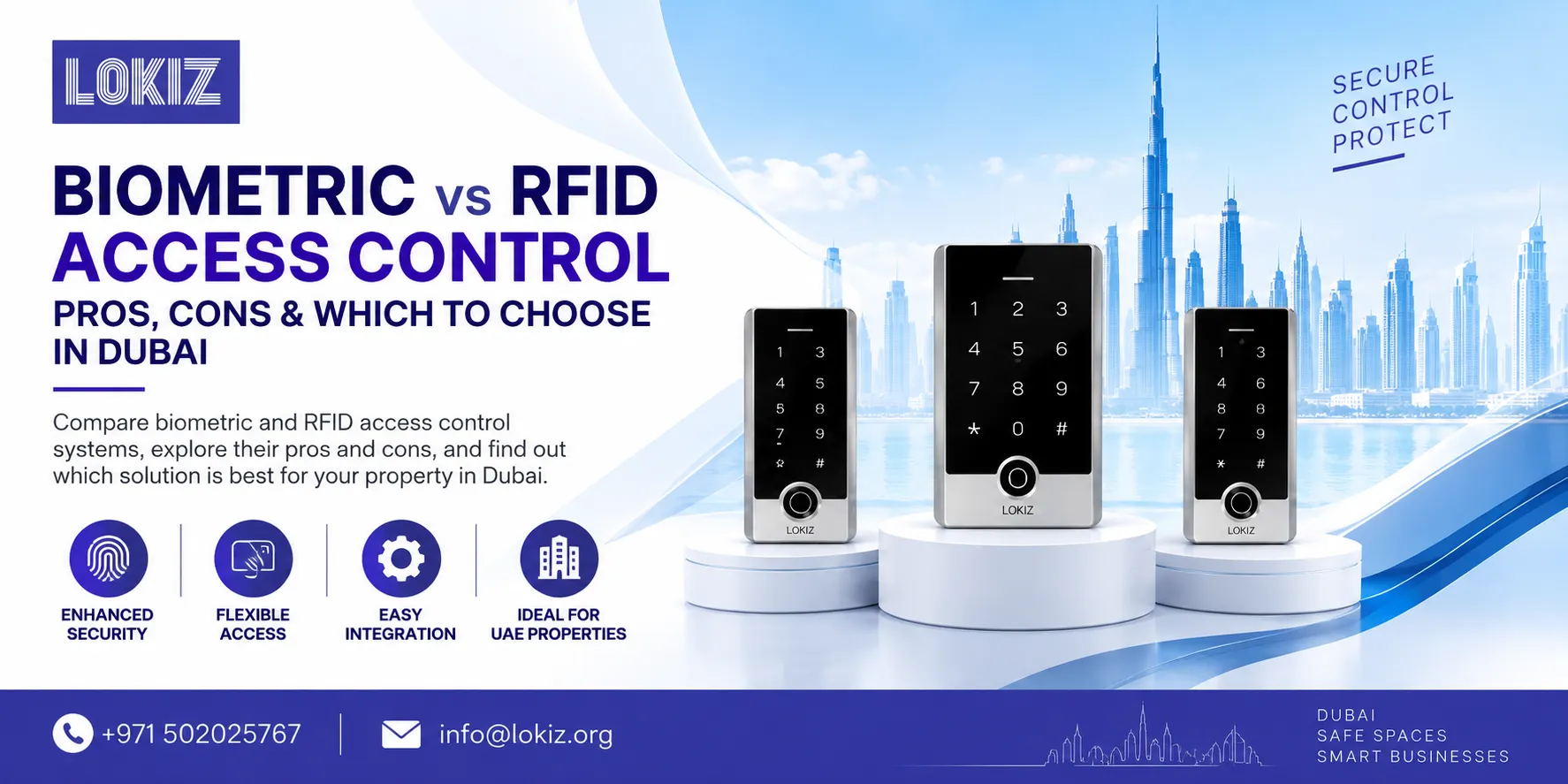
RFID (Radio Frequency Identification) access control uses proximity cards, key fobs, or mobile credentials encoded with a unique ID number. When a card is presented to a reader, the reader sends the ID to an access controller, which checks it against the authorised user database and triggers the lock relay.
Advantages of RFID:
- Fast and contactless — typically less than 0.1 seconds per transaction
- No enrollment time — cards are programmed and issued in minutes
- Easy to add, remove, or block credentials via software
- Works in dusty, wet, or gloved-hand environments (no fingerprint smudges)
- Lower upfront cost per reader compared to biometric
- Supports large user populations — thousands of cards easily
Disadvantages of RFID:
- Cards can be lost, shared, or cloned — a significant security vulnerability
- No guarantee the authorised person is the one presenting the card
- Card management requires discipline — lost cards must be deactivated immediately
How Biometric Access Control Works
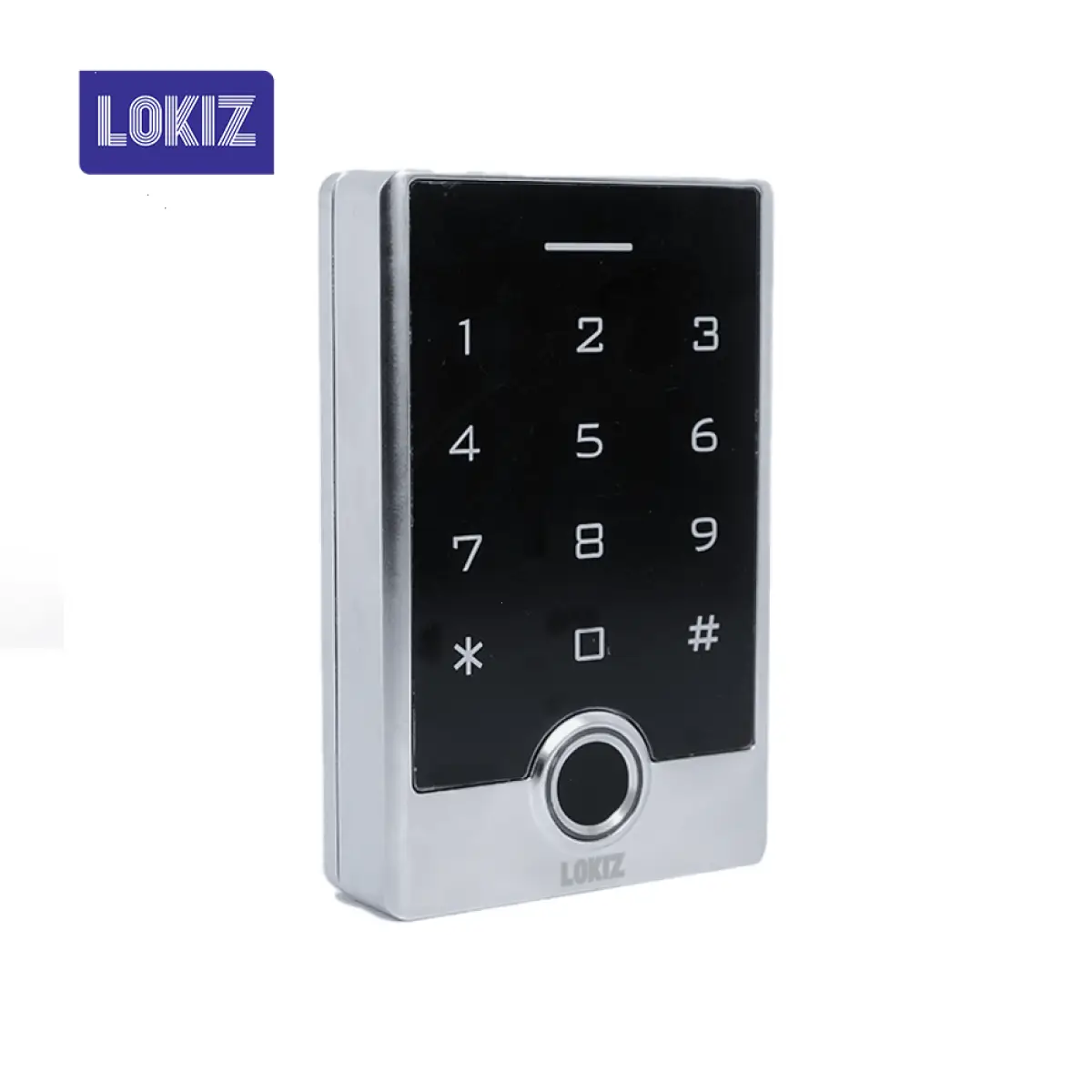
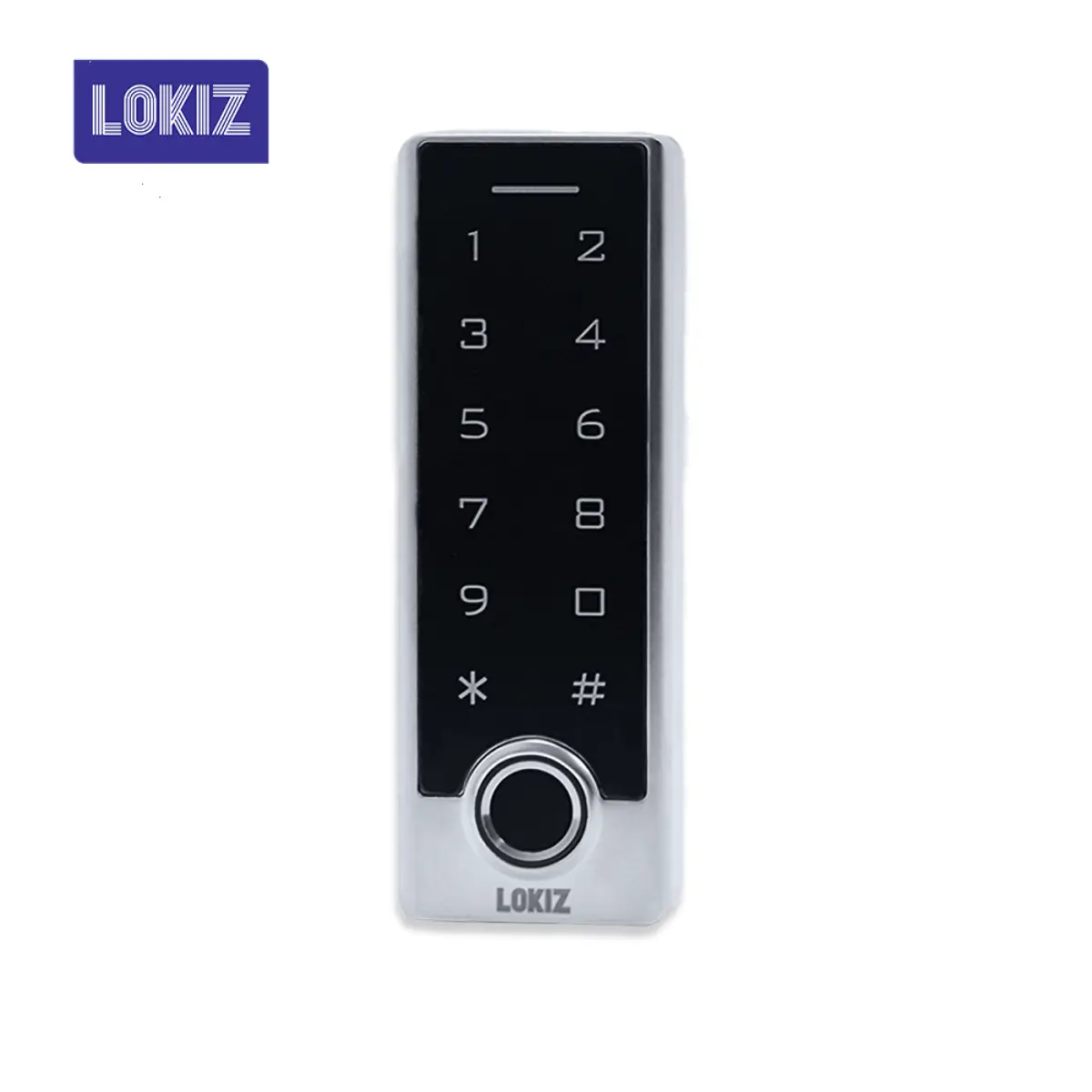
Biometric access control verifies identity using a physical characteristic — most commonly a fingerprint — that cannot be lent, cloned, or forgotten. When a user presses their finger on the reader, it converts the scan to a mathematical template and compares it against enrolled templates in the database.
Advantages of biometric:
- Eliminates buddy-punching and credential sharing — the person must physically be present
- No cards to lose, copy, or manage
- Built-in attendance tracking — fingerprint timestamps are legally defensible records
- Higher security for restricted areas — server rooms, pharmacies, data centres
- Modern readers support multi-factor (fingerprint + PIN) for maximum security
Disadvantages of biometric:
- Requires initial enrollment — staff must register fingerprints one by one
- Fingerprint sensors can struggle with worn or injured fingertips
- Higher cost per reader compared to basic RFID
- Hygiene concerns in shared-touch environments (post-pandemic awareness)
- Data privacy obligations under UAE data protection regulations for stored biometric data
Head-to-Head Comparison for Dubai Offices
| Factor | RFID | Biometric |
|---|---|---|
| Security Level | Medium (card sharing risk) | High (presence required) |
| Speed | Very fast (<0.1 sec) | Fast (0.3–1 sec) |
| Credential Loss Risk | High (cards lost/cloned) | None (built-in) |
| Enrollment Time | Minutes per user | 2–3 min per user |
| Hygiene | Contactless options available | Touch required (standard) |
| Attendance Tracking | Basic | Accurate + audit trail |
| Cost per Reader | Lower | Higher |
| Best For | Hotels, retail, large visitor volumes | Offices, warehouses, HR attendance |
Can You Use Both Together?
Yes — and many Dubai offices do. A multi-technology reader supporting both RFID and fingerprint gives users the flexibility to use either method, while the system logs which credential was used. This is especially useful during biometric enrollment periods or for accommodating visitors and contractors who cannot be enrolled in the biometric database.
For a deeper comparison, see: Biometric vs RFID Access Control — Full Comparison.
Our Recommendation for Dubai Offices
For most Dubai commercial offices with 10–200 staff, a biometric fingerprint access control system is the better long-term investment. The elimination of card management overhead, the built-in attendance records, and the prevention of card sharing typically justify the marginally higher upfront cost within 12–18 months.
For hotels, retail, and high-visitor-volume environments where fast contactless throughput matters more than attendance accuracy, RFID remains the practical choice.
LOKIZ supplies both biometric access control systems and RFID access systems across Dubai, Abu Dhabi, and the UAE. Contact us for a free consultation — we will recommend the right authentication method for your specific building and team size.