Comparing magnetic locks and electric strikes for Dubai office doors — holding force, installation, fail-safe vs fail-secure, and which one suits your application.
Magnetic Lock vs Electric Strike — The Core Difference
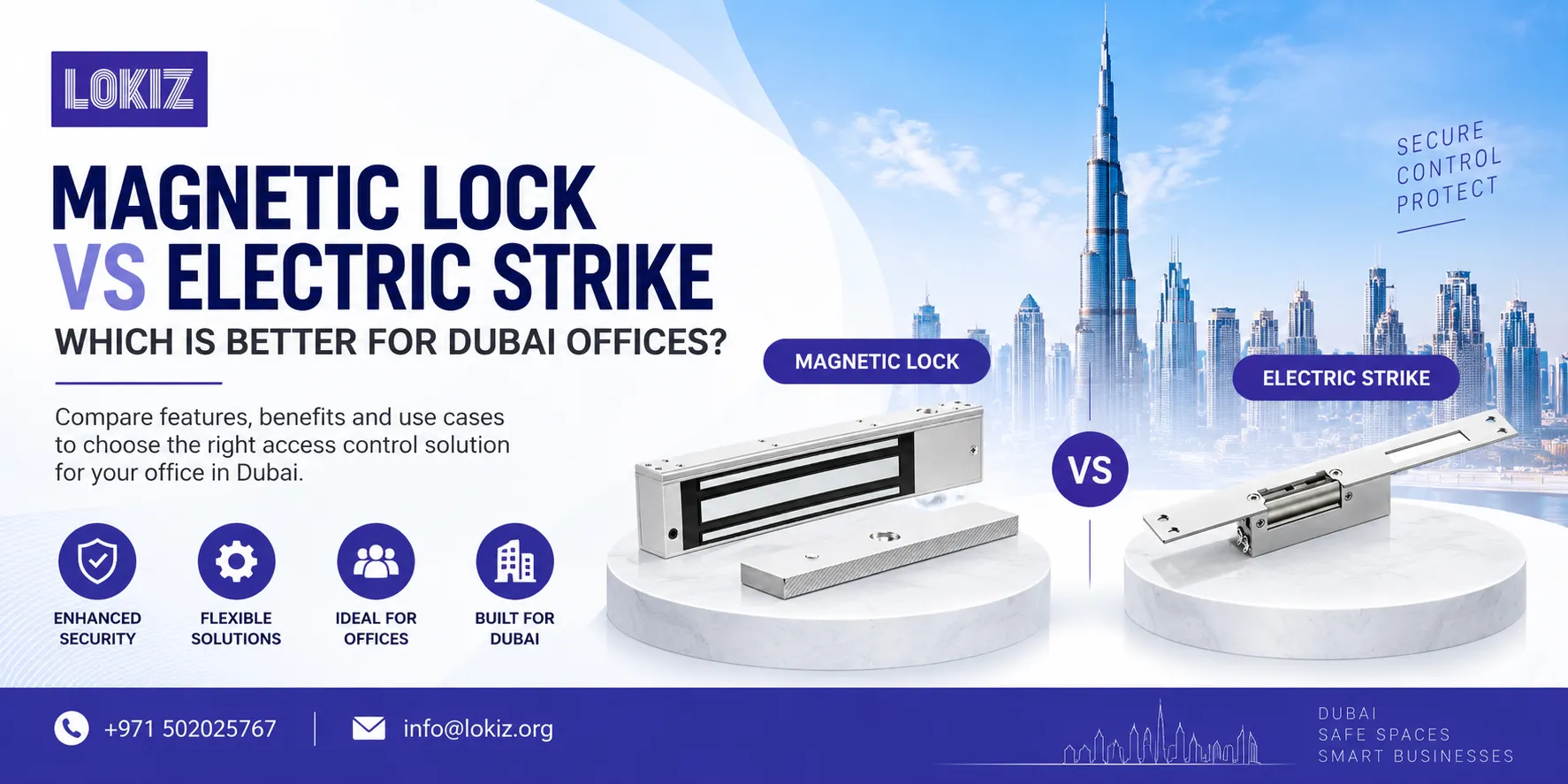
When securing office doors in Dubai, two of the most commonly used electronic locking mechanisms are the magnetic lock (EM lock) and the electric strike. Both work with access control systems, but they operate differently and suit different door types and security scenarios.
Understanding the difference before purchasing saves time, money, and the frustration of fitting the wrong hardware to your doors.
How a Magnetic Lock Works
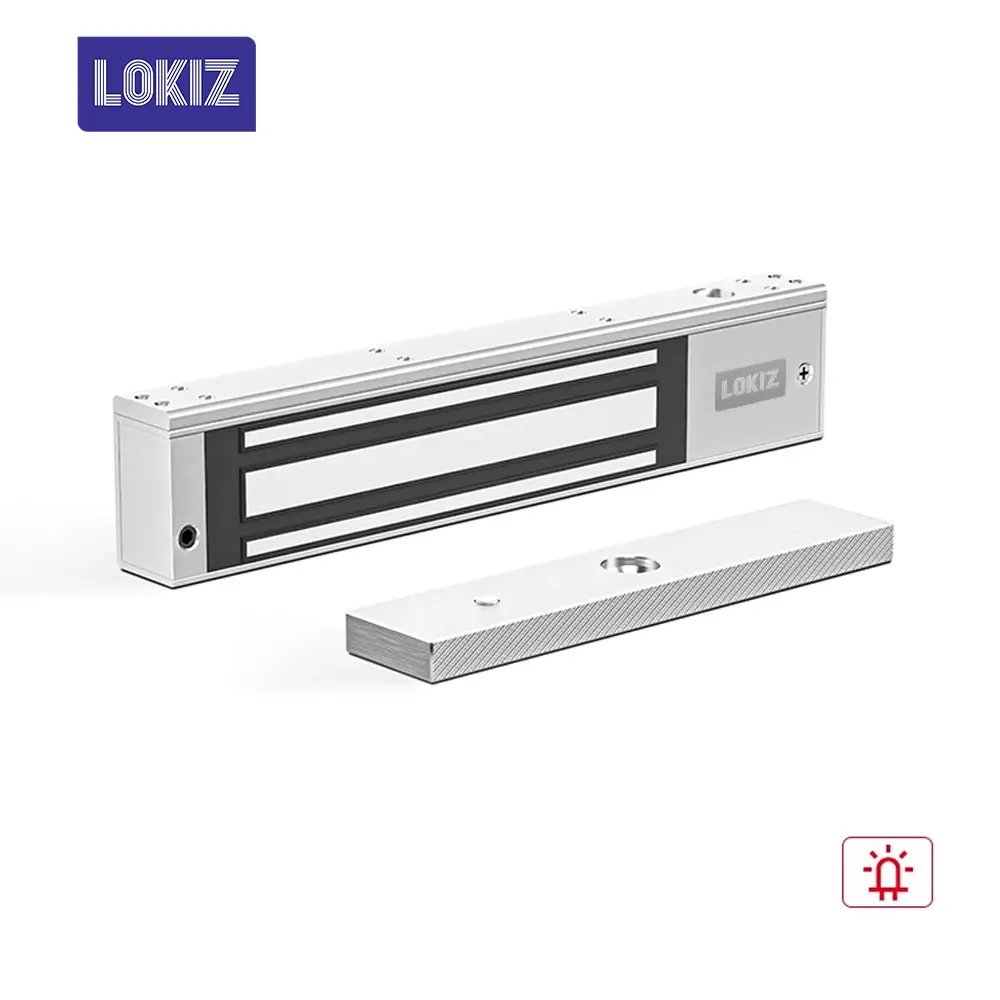
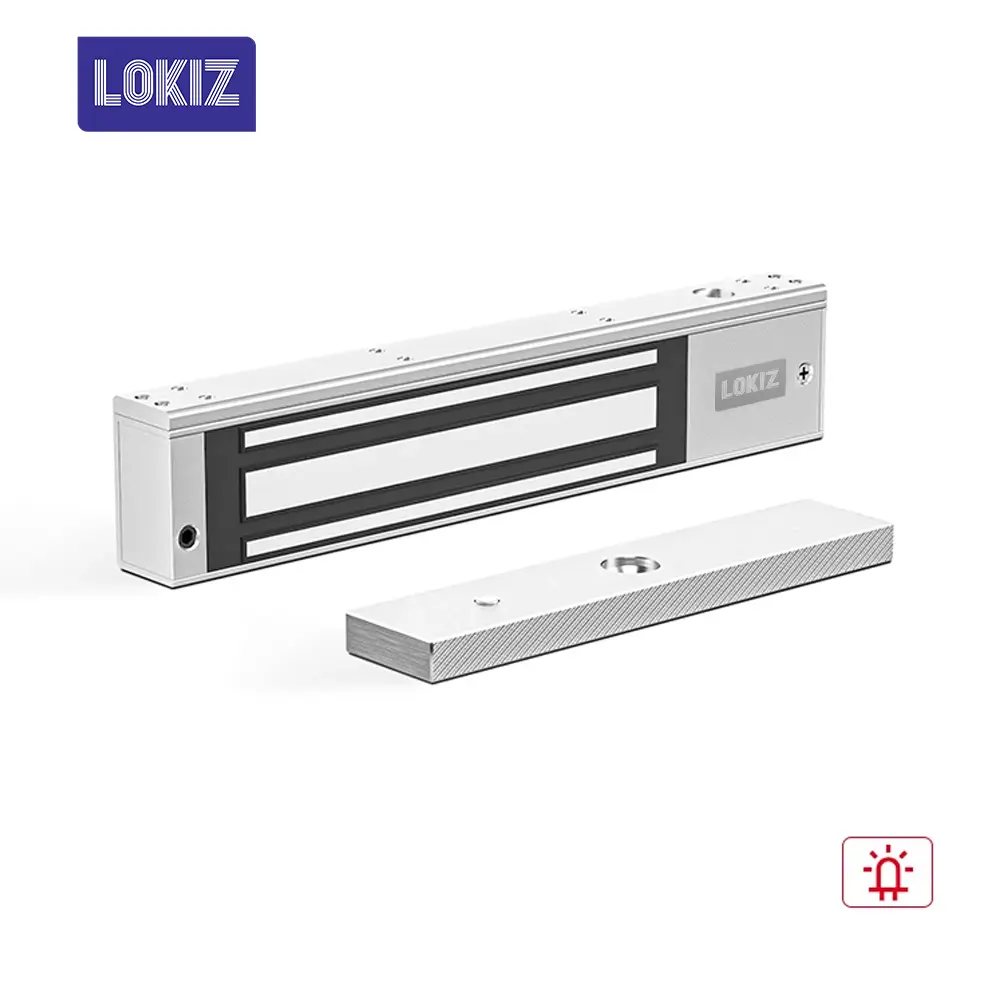
A magnetic lock, also called an electromagnetic lock or EM lock, uses an electromagnet mounted on the door frame and a metal armature plate attached to the door. When power flows through the electromagnet, a strong magnetic force holds the door shut — up to 600 kg holding force for heavy-duty commercial models.
Key characteristics:
- Fail-safe by default — door unlocks when power is cut (safe for fire evacuation)
- No moving parts — very low maintenance and long operational life
- Requires continuous power to remain locked
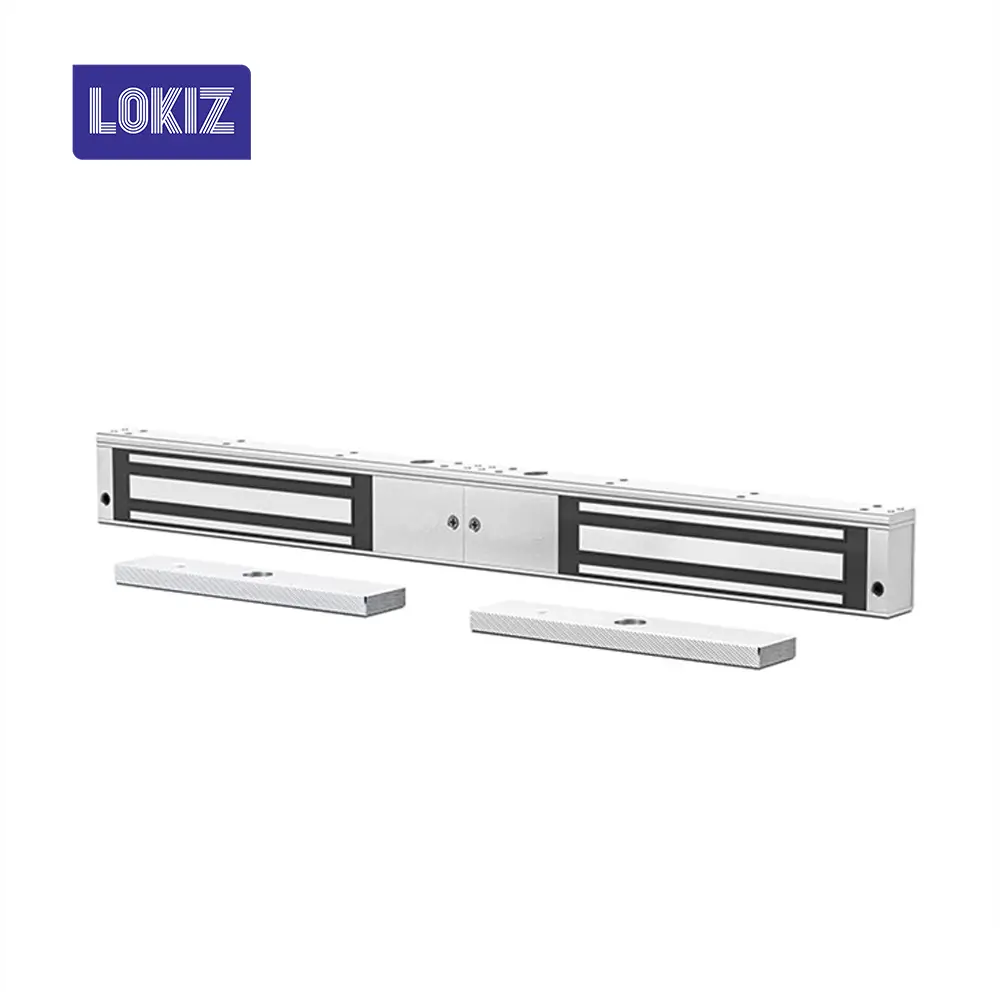
- Ideal for glass doors, aluminium frame doors, and single/double door configurations
- Must be paired with an exit button and access reader
How an Electric Strike Works
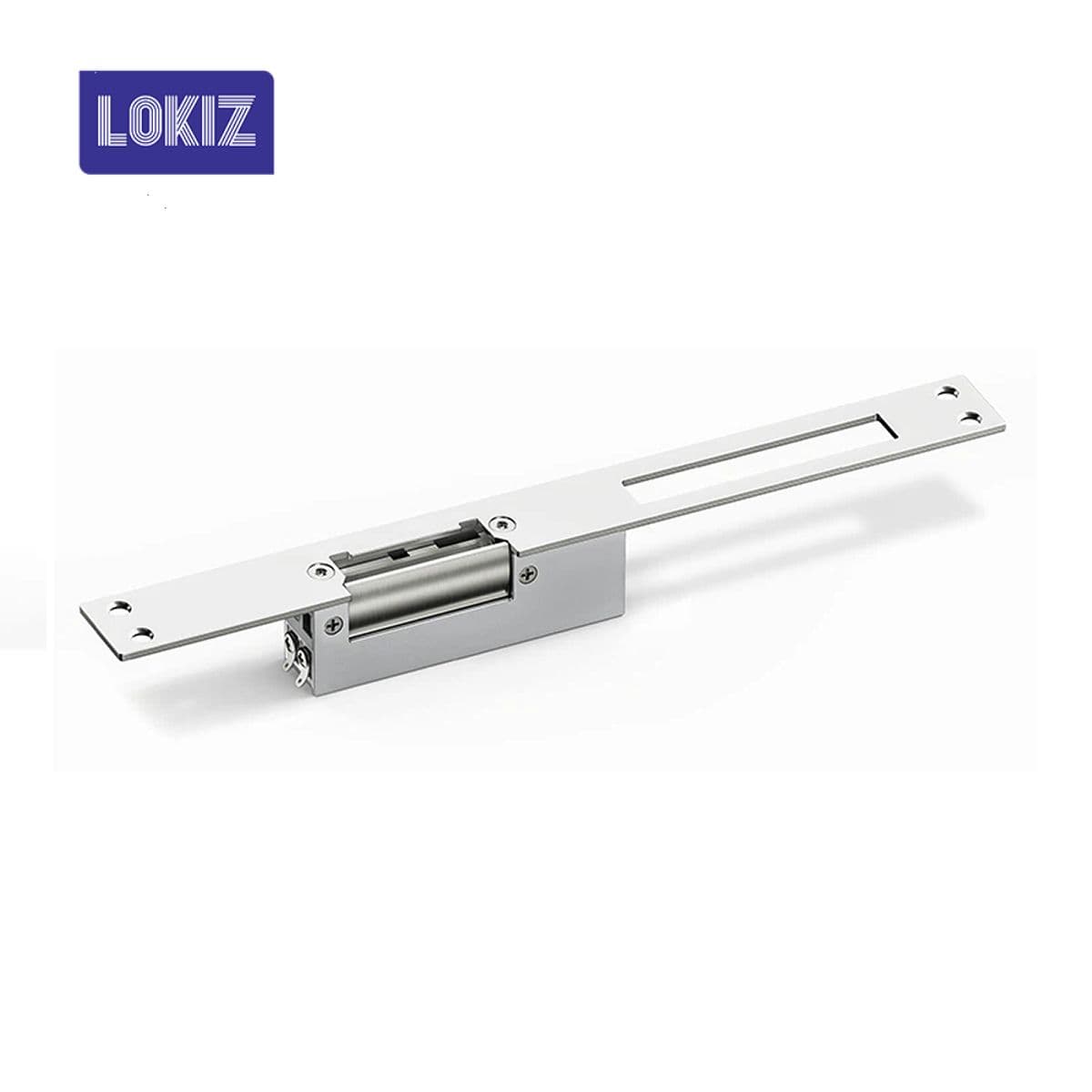
An electric strike replaces the standard door strike plate in the frame. It contains a pivoting latch keeper that can be released electronically, allowing the door latch to pass through without turning the handle. The door itself retains its mechanical handle and latch bolt.
Key characteristics:
- Available in fail-safe (unlocks on power loss) and fail-secure (stays locked on power loss)
- Works with existing lever handle and latch doors — no major frame modification needed
- Uses power only momentarily during unlock (fail-secure types)
- Ideal for timber doors, metal frame doors with latches, and apartment entry doors
- Slightly more complex installation than EM locks
Side-by-Side Comparison
| Feature | Magnetic Lock | Electric Strike |
|---|---|---|
| Holding Force | Up to 600 kg | Moderate (latch-dependent) |
| Fail Mode | Fail-safe only | Fail-safe or Fail-secure |
| Moving Parts | None | Yes (pivoting keeper) |
| Door Types | Glass, aluminium, wood | Timber, metal frame |
| Power Usage | Continuous | Momentary (fail-secure) |
| Maintenance | Very low | Low to moderate |
| Cost | Medium | Low to medium |
Which Should You Choose for a Dubai Office?
Choose a magnetic lock when:
- Your doors are glass or have aluminium frames (no latch bolt)
- Fire exit compliance requires fail-safe operation
- You need maximum holding force for a high-security door
- You want minimal long-term maintenance
Choose an electric strike when:
- Your doors already have mechanical lever handles and latches
- You need fail-secure operation (door stays locked during power outage) for server rooms or secure storage
- You are retrofitting access control into an existing door without major hardware changes
For a deeper comparison, see our dedicated guide: Magnetic Lock vs Electric Strike.
LOKIZ Supplies Both — With Expert Guidance
LOKIZ stocks a full range of magnetic locks and electric strike locks in Dubai. Our team will recommend the right locking mechanism based on your exact door type, frame material, and security requirement — no guesswork. Get in touch for a free recommendation.